
Community
What if this winter’s forecast holds true?
By Mark Robinson
Advertisement · Why this ad?
Jenna Larson has been reporting on the Fargo region for over 15 years. She graduated from North Dakota State University and began her career at The Forum of Fargo-Moorhead before joining the Bison Current network. Jenna's focus is on community events, local initiatives, and the stories that make Fargo unique.
More from Jenna →
As the sun set over Lake Sakakawea, families gathered on the shore, casting their lines into the shimmering water, unaware of the silent invader lurking beneath the surface. Generations have forged cherished memories on these waters, from first catches to quiet moments of reflection, making the lake a cornerstone of community life and family tradition. Now, a shadow has been cast over this beloved gathering spot, stirring concern among residents who have long cherished its natural beauty and the wholesome recreation it provides.
The tranquil facade of Lake Sakakawea, one of North Dakota's biggest and most treasured lakes, has been disturbed by a significant and unwelcome discovery: the presence of zebra mussels. These invasive aquatic nuisance species, known for their rapid proliferation and detrimental impact on aquatic ecosystems, have been detected in the lake, marking a critical moment in the ongoing battle to preserve our state's precious natural resources.
Zebra mussels (Dreissena polymorpha) are not new to North Dakota; they have been found in various lakes across the state over recent years. However, their confirmation in Lake Sakakawea represents a particularly alarming development due to the lake's immense size, ecological significance, and its role as a recreational hub. These small, D-shaped bivalves, typically no larger than an inch, attach themselves to hard surfaces, forming dense colonies that can drastically alter aquatic environments.
Their invasive nature stems from their ability to filter large quantities of water, removing plankton that forms the base of the food web. This can lead to clearer water, which might sound appealing, but it allows sunlight to penetrate deeper, promoting the growth of aquatic vegetation and disrupting the delicate balance of the ecosystem. Furthermore, zebra mussels can clog water intake pipes for municipalities and power plants, damage boat engines, and create sharp shells along shorelines, posing hazards to swimmers and recreational users.
For those new to our vibrant Fargo community, hearing about zebra mussels in Lake Sakakawea might seem distant. But let me tell you, it hits close to home for many of us. Lake Sakakawea, a jewel of the State of North Dakota, is a place where countless families from across the region, including our own, have spent their summers, building bonds and instilling a love for nature in their children. Its health is inextricably linked to the well-being of our broader community.
The discovery of zebra mussels threatens not only the ecological health of Lake Sakakawea but also the local economy that thrives on fishing, boating, and tourism. Fishermen, many of whom rely on the lake for their livelihoods or cherish it as a family pastime, are particularly worried about the impact on fish populations and the overall angling experience. The North Dakota Game and Fish Department has been at the forefront of monitoring and managing aquatic nuisance species, and this new finding underscores the persistent challenge they face.
Local environmentalists, often volunteers dedicated to preserving our natural heritage, are advocating tirelessly for the lake's health. They understand that the long-term consequences could be severe, affecting everything from water quality to the biodiversity that makes Lake Sakakawea so special. The potential economic fallout, including decreased tourism revenue and increased maintenance costs for infrastructure, could ripple through communities far beyond the lake's immediate vicinity.
The Bureau of Reclamation, which manages Lake Sakakawea, along with agencies like the U.S. Geological Survey and the Environmental Protection Agency, are critical partners in understanding and mitigating the spread of these invaders. Their scientific expertise is invaluable as our communities grapple with this challenge, providing data and strategies to protect our waterways.
In the face of this threat, the community is coming together with a renewed sense of purpose and commitment. The emotional arc for many residents involves grappling with the fear of losing a beloved natural treasure while simultaneously uniting in their resolve to safeguard it for future generations. This commitment reflects the strong family values prevalent in our region, where parents and grandparents strive to pass on a legacy of responsible stewardship and appreciation for God's creation.
Public awareness campaigns are being amplified, emphasizing the critical importance of the 'Clean, Drain, Dry' protocol for all watercraft and recreational equipment. This simple yet effective measure, championed by organizations like the U.S. Fish and Wildlife Service, is the first line of defense against the further spread of zebra mussels. Every boater, angler, and recreational user has a role to play in protecting our shared resources, a responsibility that resonates deeply within our faith-based communities.
Local leaders and educators from institutions like North Dakota State University are working to inform residents about the dangers and preventative measures. They understand that education is key to fostering a collective sense of responsibility. The North Dakota Department of Environmental Quality is also playing a crucial role, providing guidance and resources for effective management strategies.
The long-term health of Lake Sakakawea is not just an environmental issue; it's a community issue that touches upon our way of life. The lake supports countless family outings, provides a backdrop for strong marriages to flourish through shared outdoor experiences, and offers opportunities for children to connect with nature, fostering virtues of patience and wonder. Protecting it is an investment in the social fabric of our towns, including our own City of Fargo, which benefits from the overall health and appeal of our state's natural attractions.
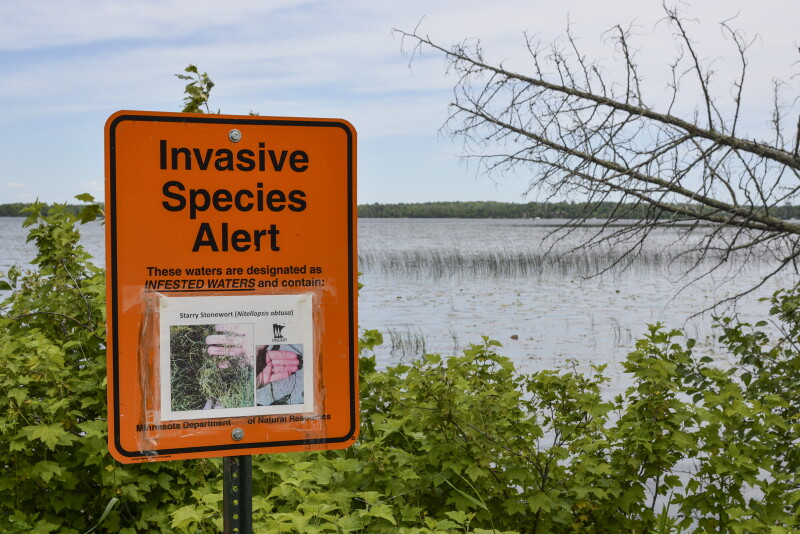
The experience of other states, such as Minnesota, which has extensively battled invasive species like zebra mussels, offers valuable lessons. The Minnesota Department of Natural Resources provides a wealth of information on their ongoing efforts, highlighting the persistent nature of this challenge and the need for sustained vigilance. This collaborative approach, learning from neighbors and sharing best practices, is essential for a successful outcome.
The path forward for Lake Sakakawea will require sustained effort, collaboration, and a deep-seated commitment from all stakeholders. Monitoring efforts will be intensified, and rapid response plans will be crucial to contain any further spread. The North Dakota Tourism industry, which relies heavily on the allure of our natural landscapes, will need to adapt and support these conservation efforts, ensuring that visitors are also part of the solution.
As the last rays of sunlight painted the lake in hues of gold, the community held a meeting, determined to find solutions, their resolve shining brighter than the water before them. This is not merely a fight against a mollusk; it is a testament to the enduring spirit of North Dakotans, their dedication to family, faith, and the preservation of the natural beauty entrusted to their care. The challenge is significant, but the collective will to protect Lake Sakakawea for generations to come is even stronger.
The future of Lake Sakakawea depends on every individual understanding their role in preventing the spread of aquatic nuisance species. It is a call to action for all who cherish our state's waterways, to uphold the values of stewardship and responsibility, ensuring that our children and grandchildren can continue to enjoy the blessings of this magnificent natural resource. The commitment to protect this vital part of our heritage is a reflection of the enduring strength found in stable, loving households and communities united by a common purpose.
By Mark Robinson
By Jenna Larson

By Tommy Anderson

By Jenna Larson